Intelligent scheduling with predictive insight — built for ambulatory care.
TeamBuilder gives healthcare leaders real-time visibility into who is working where — and the intelligence to plan, manage, and measure performance across clinics.
Built for ambulatory care, not adapted from other WFM or inpatient tools.



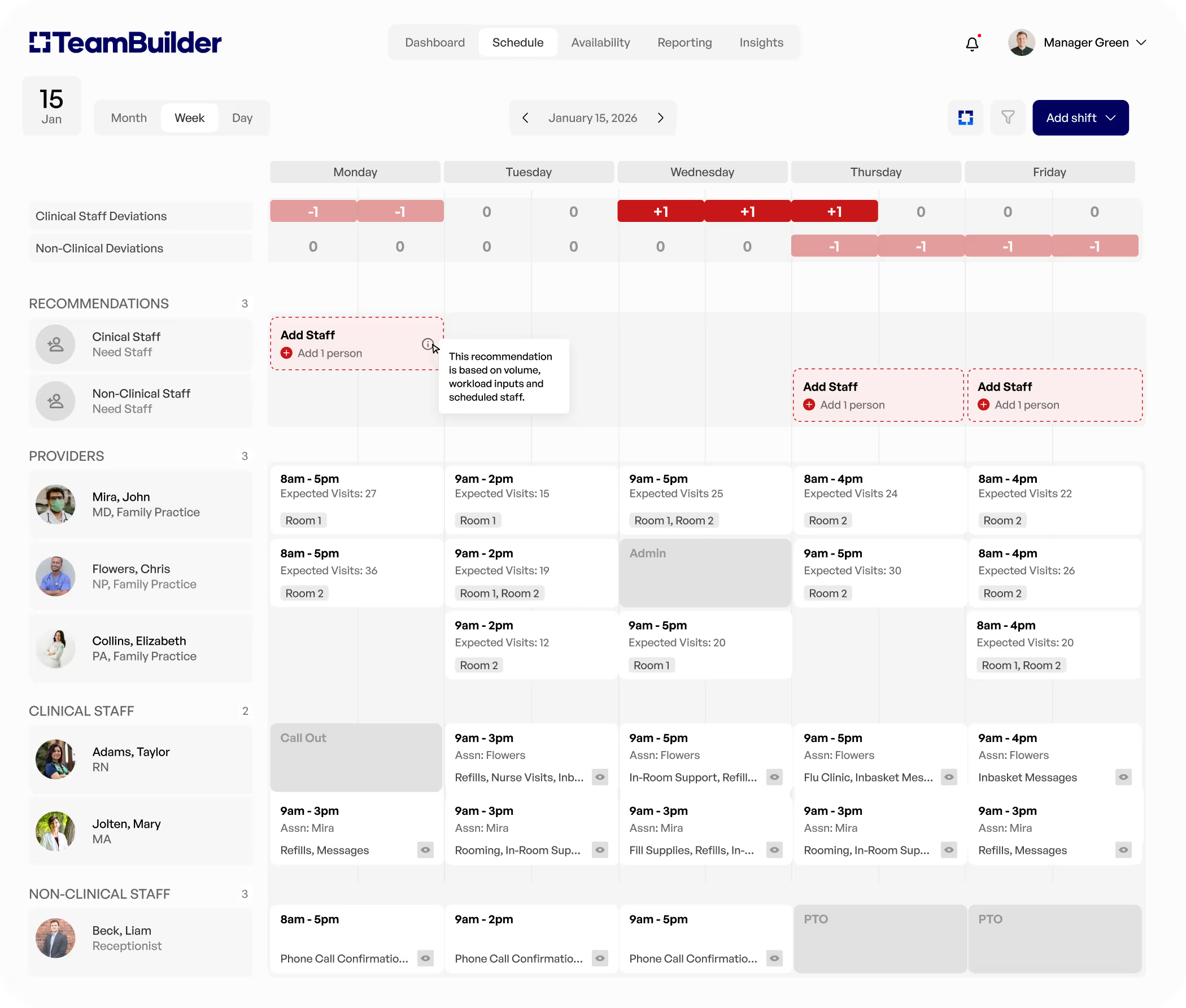


Three core capabilities for intelligent staff and space scheduling.
A unified digital schedule for staff and space
Our smart schedule digitizes everything needed to plan and operate ambulatory clinics — people, availability, roles, rooms, and daily assignments.
It replaces spreadsheets and disconnected tools with a single source of truth for who is working, where, and when — and how space is being used.
Houses all staff, role, and availability information in one system
Displays daily assignments across clinics and locations
Supports room and space assignments alongside staff schedules
Enables leaders to tag staff as flexible for cross-coverage
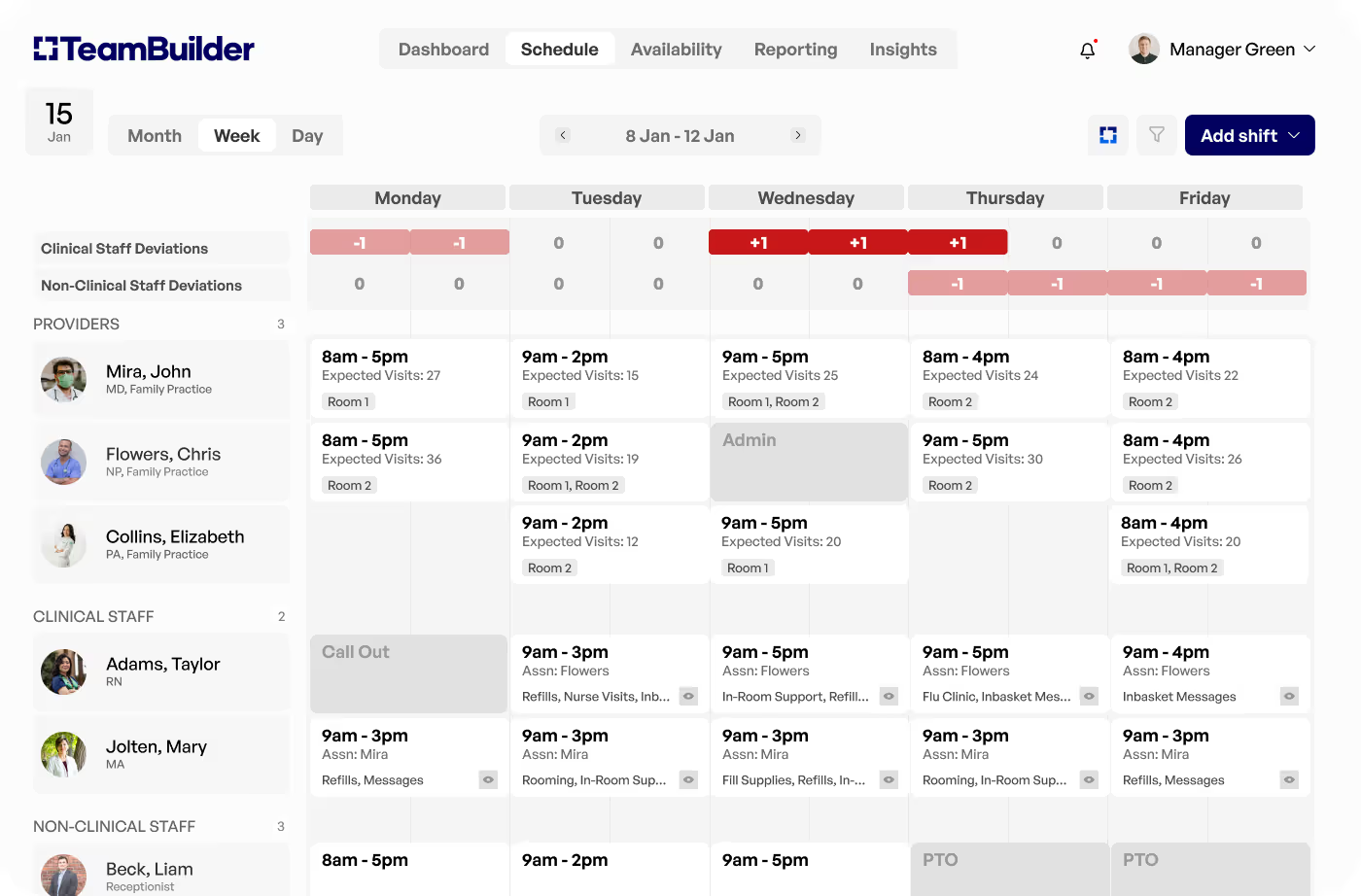
Predictive guidance for staff scheduling decisions
Recommendations use predicted demand, workload patterns, workflow data, and staff availability to guide smarter scheduling decisions throughout the day.
Rather than relying on static ratios or templates, clinics receive dynamic guidance aligned to real operational demand.
Uses demand forecasts by hour, provider, and specialty
Accounts for visit and non-visit workload and workflow patterns
Factors in staff availability, skills, and business constraints
Recommends shift adjustments to improve balance
Flags staffing gaps before they disrupt access or flow
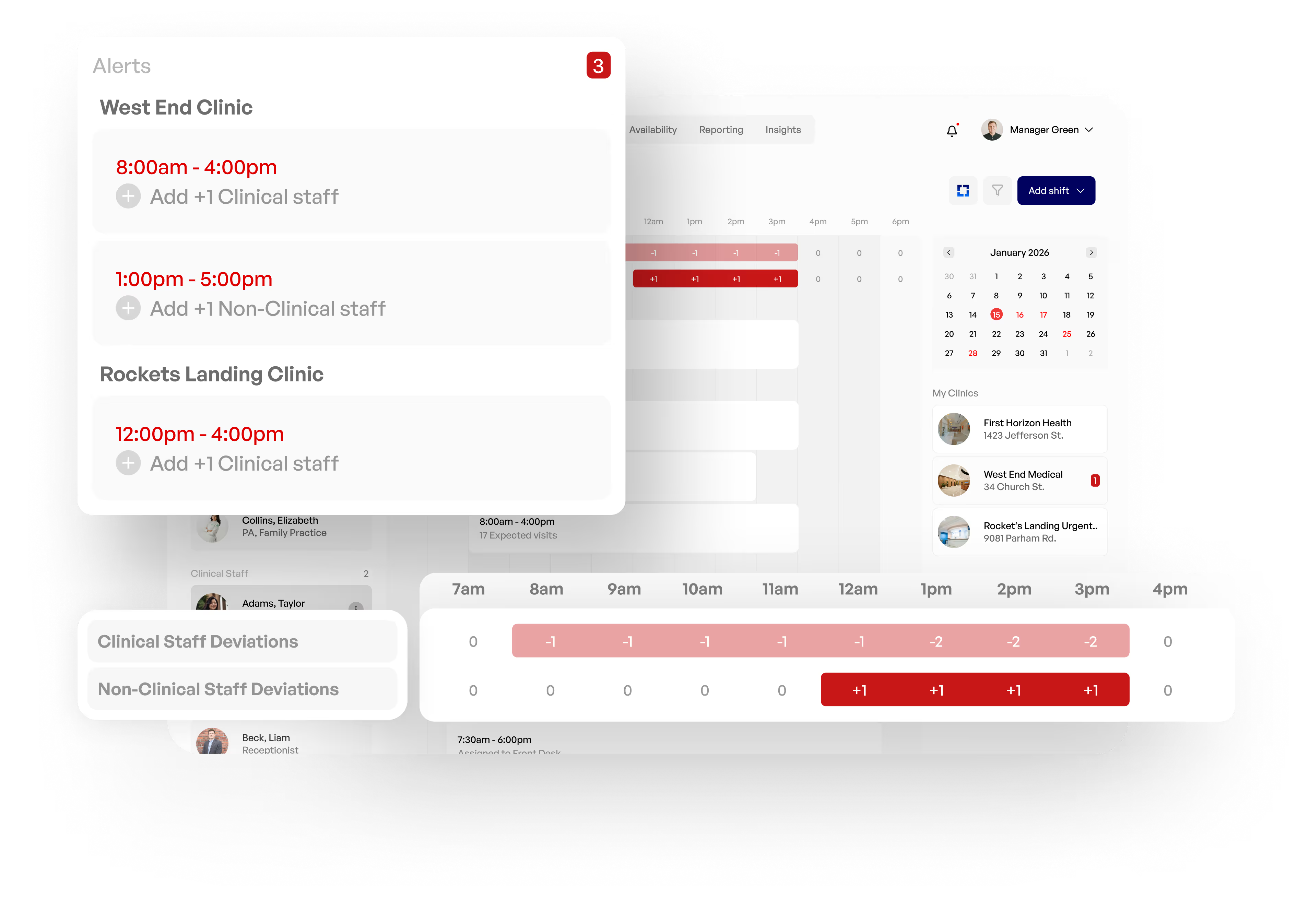
Operational intelligence across staff and space
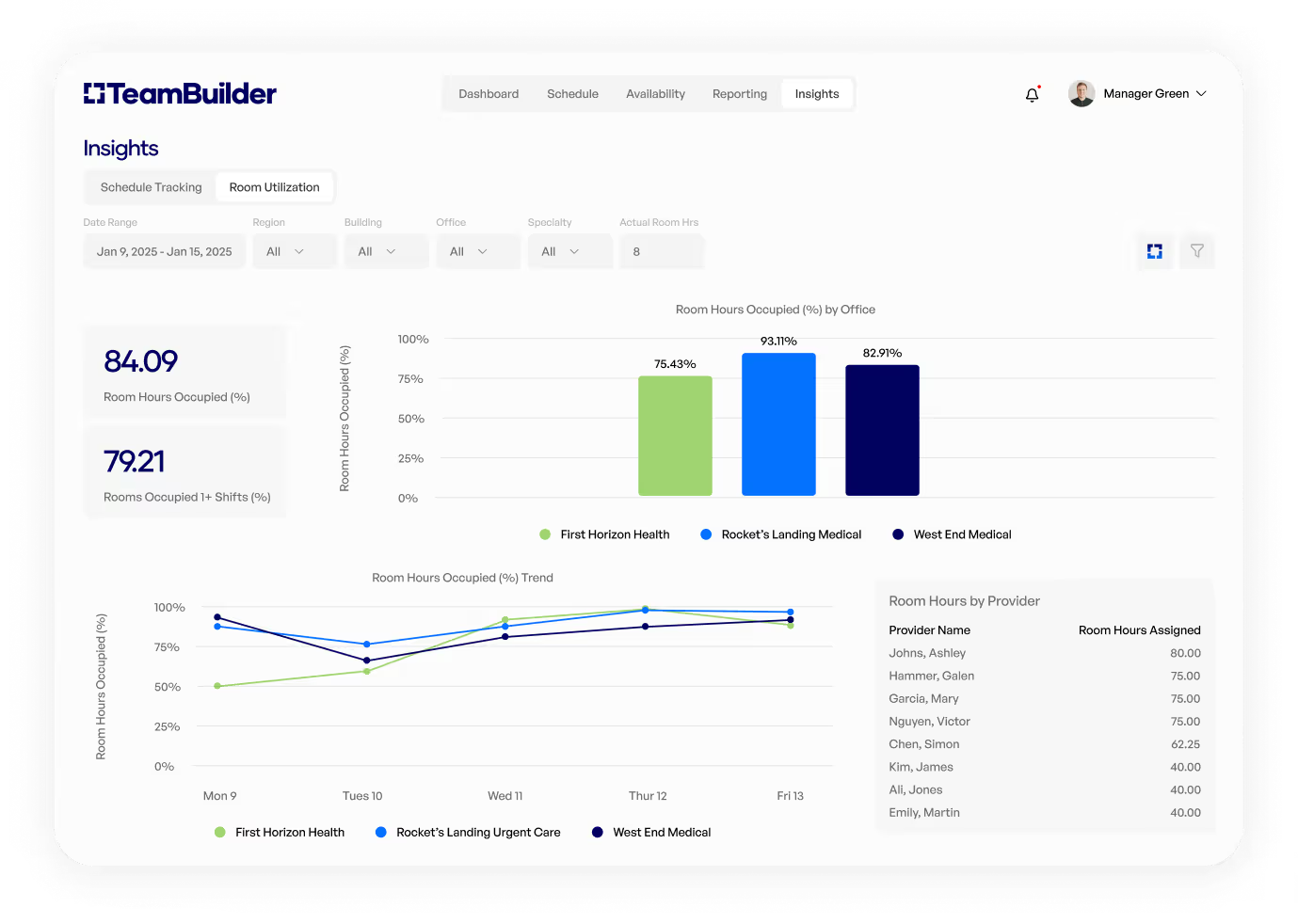
Insights reveal how clinics are actually performing — showing where scheduling, workload, or space constraints create friction, and where opportunities exist to improve access, efficiency, and cost control.
Staff
Tracks scheduling variance and performance
Highlights staffing gaps and coverage issues
Measures labor cost per visit by clinic, specialty, or geography
Space
Tracks room occupancy and utilization patterns
Identifies under-used or constrained space
Surfaces misalignment between space, capacity, and demand
How Intelligent Scheduling Works
Most scheduling tools show who is working.
TeamBuilder goes further — helping leaders understand
who should be working, where, and why.
Our patented methodology combines demand forecasting, workload and workflow modeling, and real-time supply intelligence to support smarter scheduling decisions across ambulatory care.
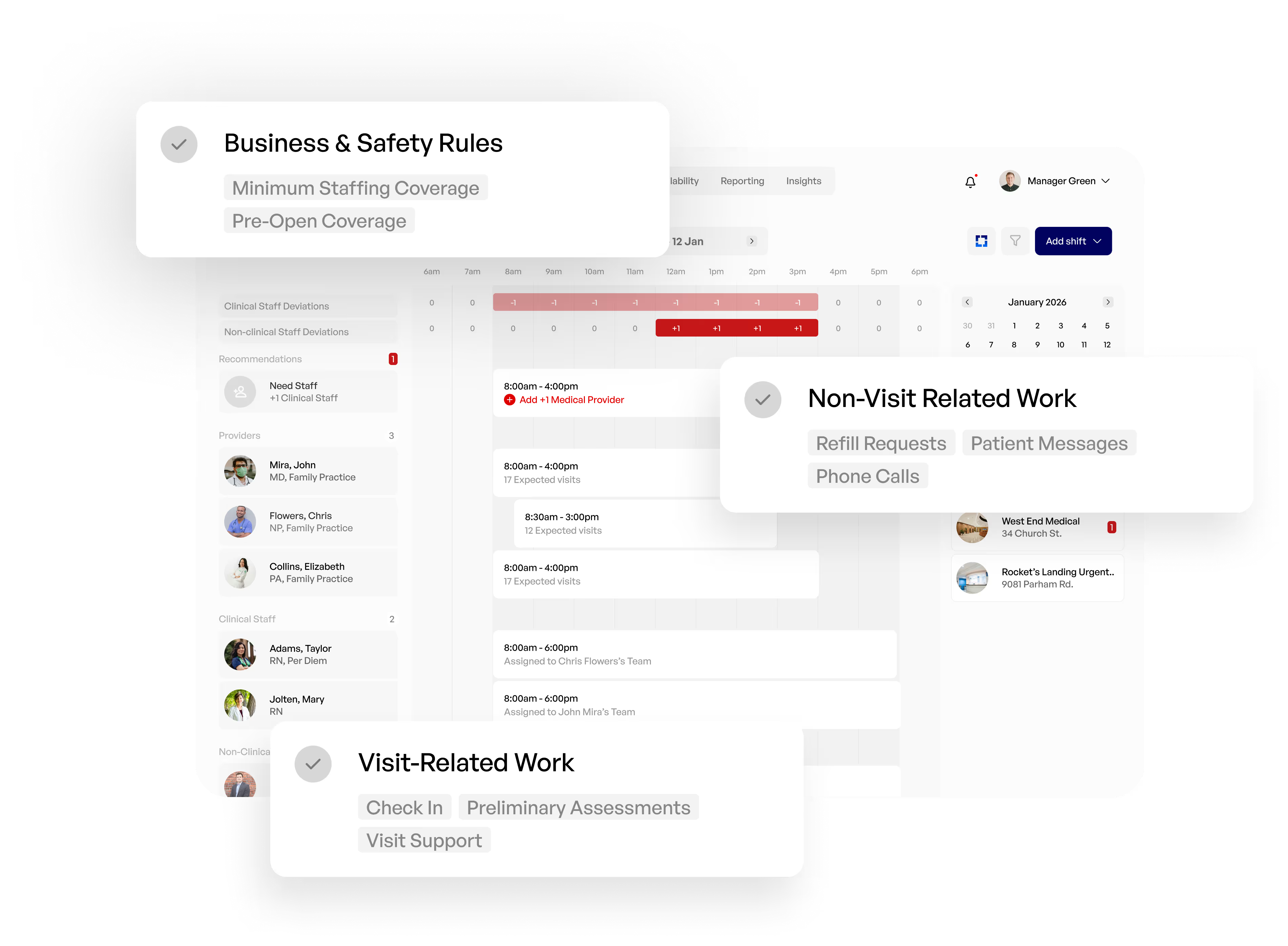
Demand Forecasting
1. Predict What Your Clinics Will Need
Ambulatory demand shifts by the hour — not by static ratios or templates. TeamBuilder predicts visit demand using:
Historical activity data
Provider templates and clinic hours
Specialty-specific patterns
Real-time operational signals
The result: volume predictions for each provider by hour, by day,
Workload & Workflow Modeling
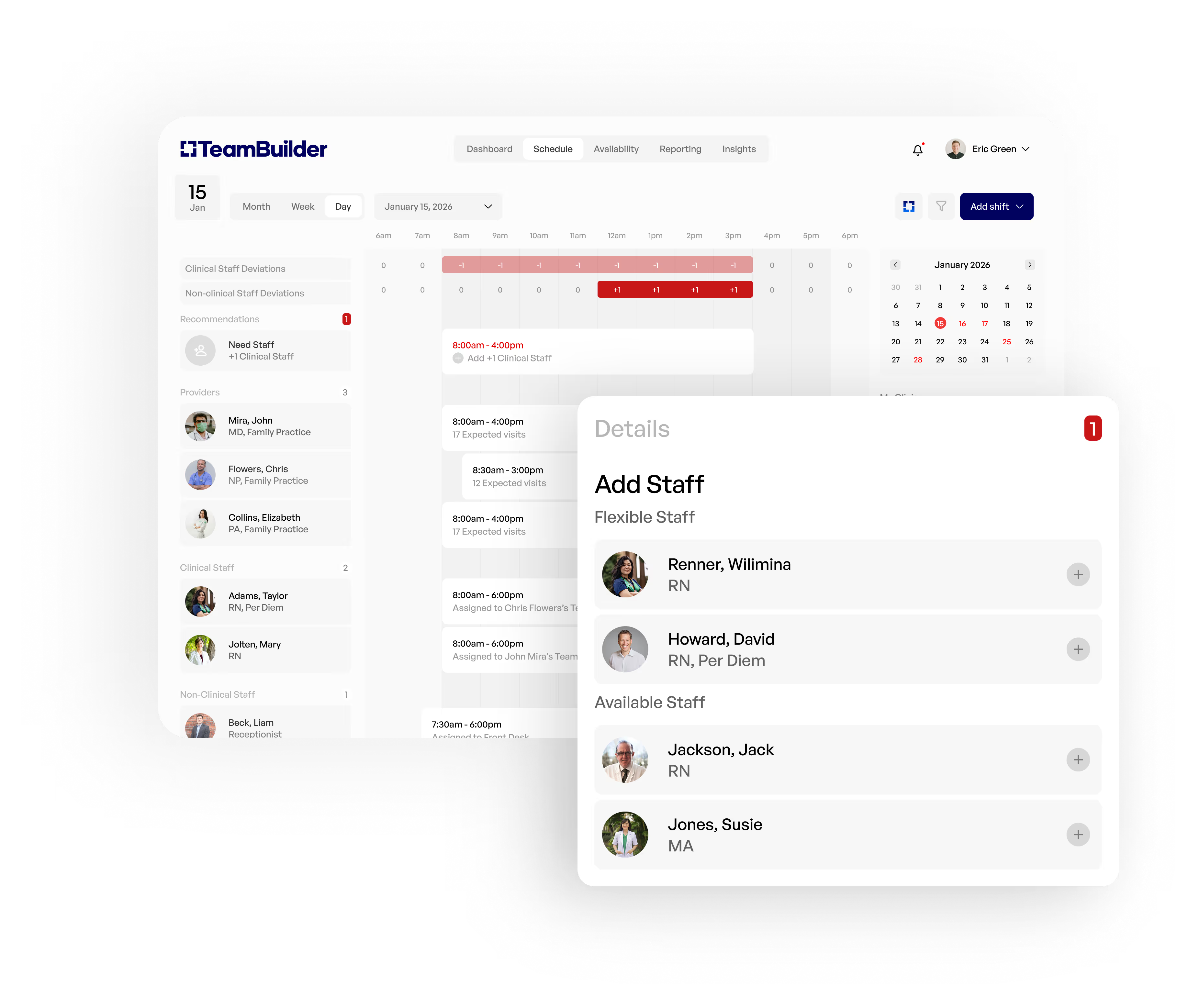
2. Understand the Effort Behind Every Visit
Not all work is the same — and not all specialties operate alike. TeamBuilder models the full operational effort required to support care delivery.
Visit and non-visit tasks by provider and support role
Variability in provider volume and workflow
Patient flow and throughput patterns
Clinic-level constraints
This ensures staffing decisions reflect real operational effort — not generic ratios or assumptions.
Supply Intelligence
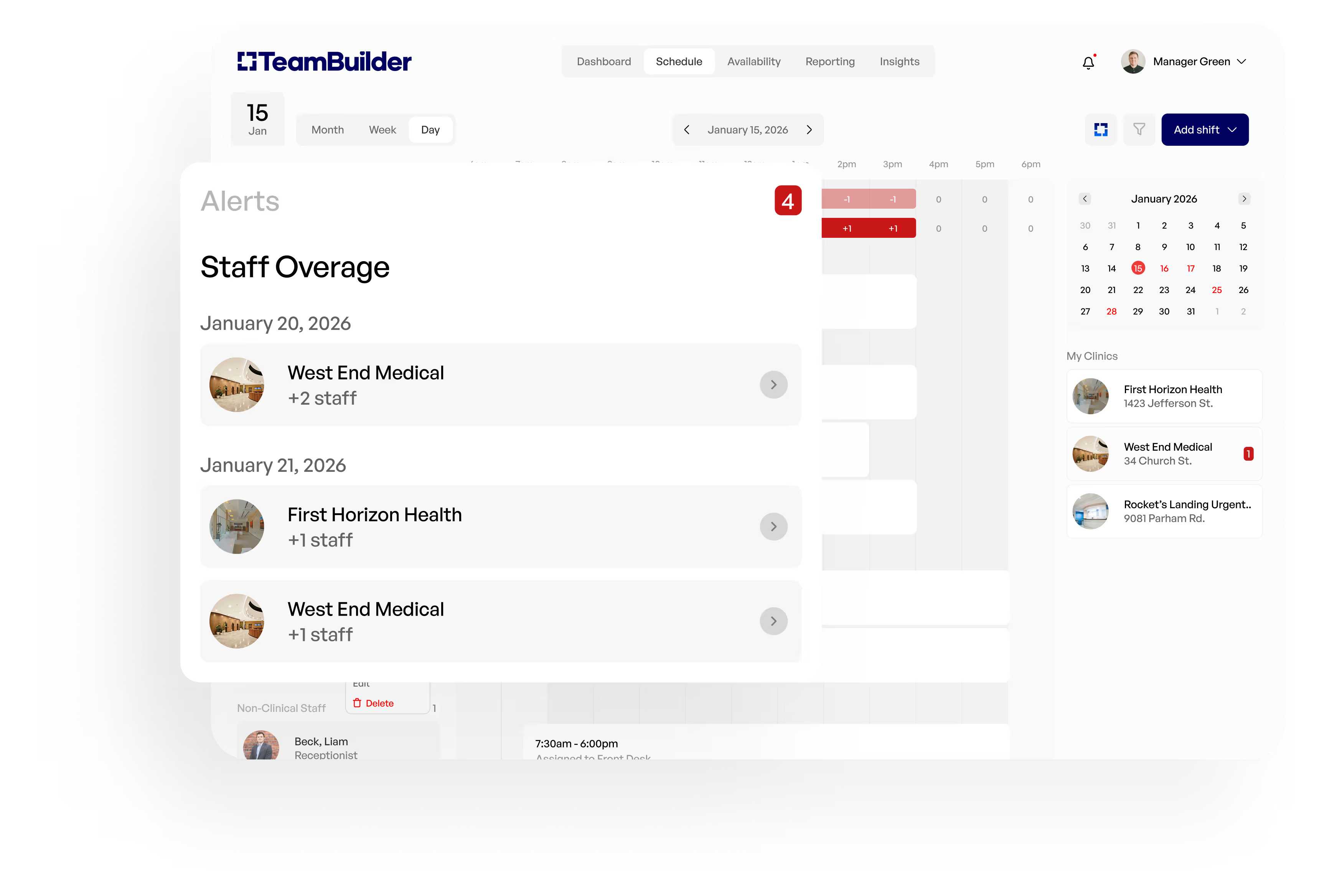
3. See Who Is Available — and Where
Traditional systems map staff to cost centers, not physical locations — obscuring operational reality. TeamBuilder provides true location-based visibility into your workforce.
Real-time visibility into who is working where
Role, specialty, and skill alignment
Float pools and flexible resource identification
PTO, call-outs, and availability tracking
Leaders finally see how people are distributed, where capacity gaps exist, and the financial implications associated with your staffing model.
Recommendation Engine
4. Smarter Decisions, Not More Work
Once demand and supply are understood, TeamBuilder applies analytics to guide scheduling decisions.
Flags imbalances before they disrupt access
Suggests shift adjustments aligned to predicted demand
Identifies opportunities to improve coverage alignment
Provides proactive guidance — not rigid rules
Leaders stay ahead of issues instead of reacting to them.
Performance Insights
5. Measure What’s Working (and What’s Not)
TeamBuilder transforms operational data into actionable intelligence. Insights reveal:
Staffing alignment to hourly demand
Cost per visit and labor performance by location
Over- and under-staffed clinics
Provider productivity and support ratios
Space utilization and bottlenecks
This gives CFOs and COOs the clarity to guide investments, reduce waste, and scale intelligently.
We searched for a solution for along time. The team has been incredible, and the best part is seeing managers embrace a technology that helps them daily!

Kelly Eiden
VP Med Group Operations
Endeavor Health

Why it matters
Ambulatory is where health systems grow — and where labor decisions matter most. TeamBuilder’s methodology gives leaders the visibility and intelligence to manage labor as a strategic lever, not a fixed cost.

Better Access
Align staff and space to real demand so clinics can see more patients without overextending teams.

Lower operational cost
Identify over- and under-staffing driven by misalignment — not across-the-board cuts.

Greater visibility
See who is working where, by role and location, with clarity across clinics and specialties.

Stronger workforce experience
Reduce reactive coverage, improve flexibility, and give teams schedules that reflect how care is actually delivered.


Your systems stay intact.
Your data stays connected.
Your scheduling gets smarter.